Four hundred and ninety-two votes were cast across twelve countries for the Spark a Spectrum 2026 dance competition. Today, we honour the three young people whose performances moved the community most, and we honour every dancer who stepped forward to be seen.
Ten young people from five Nigerian states submitted dance videos in March and early April 2026. Each performance was sixty seconds or less. Each one carried something different. A child dancing in a sitting room. A young person on a hospital therapy center floor. Group performances filmed in courtyards. Solos shot in front of family. The competition opened for public voting at the end of April, and over four days, four hundred and ninety-two unique Gmail accounts cast votes from Nigeria, Senegal, Côte d'Ivoire, Greece, the United Kingdom, the United States, Canada, India, Serbia, Venezuela, Ghana, and beyond.
What the community chose, the community will receive.
Community Choice Winners
What the dancers showed us
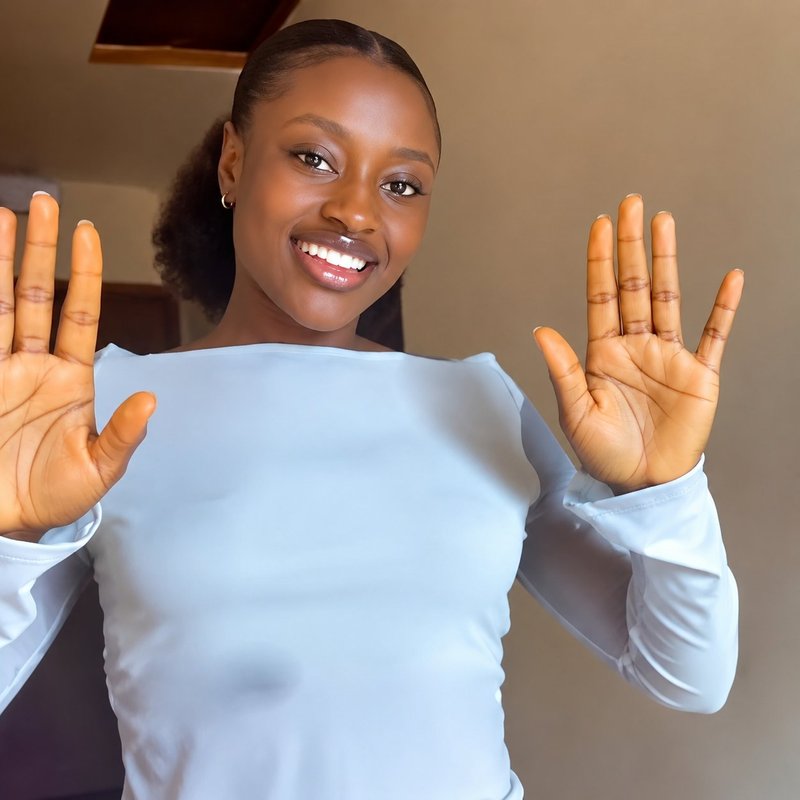
Joy Onuh Delight described her performance in her own words: "My performance uses dance as a powerful tool to spread awareness, encourage inclusion, and show that everyone deserves to be seen, valued, and celebrated." Her solo from Kogi drew strong support from her community and from voters across the diaspora. The energy and clarity of her movement — joy, individuality, and an argument for autism inclusion all carried in a few short minutes — speak for themselves.
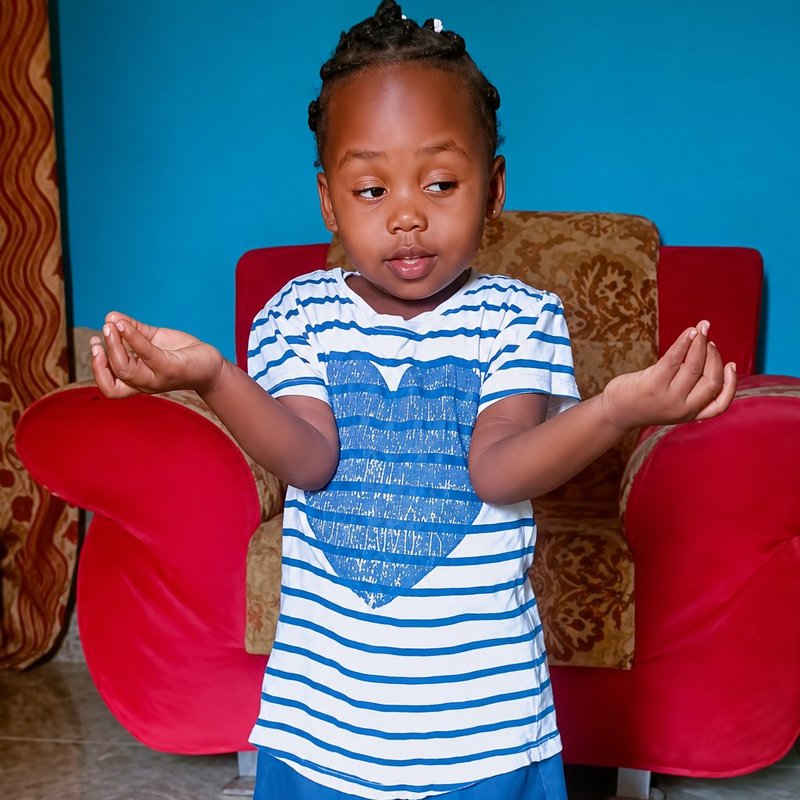
Chimchong Ambima danced at ATBU Teaching Hospital in Bauchi, where coordinator Happiness Jonas Sarki anchored the local Spark a Spectrum event. Her submission described the performance as vibrant and expressive, a celebration of inclusion, joy, and the unique abilities of every child. Voters from Bauchi and from across Nigeria responded with affirmation.
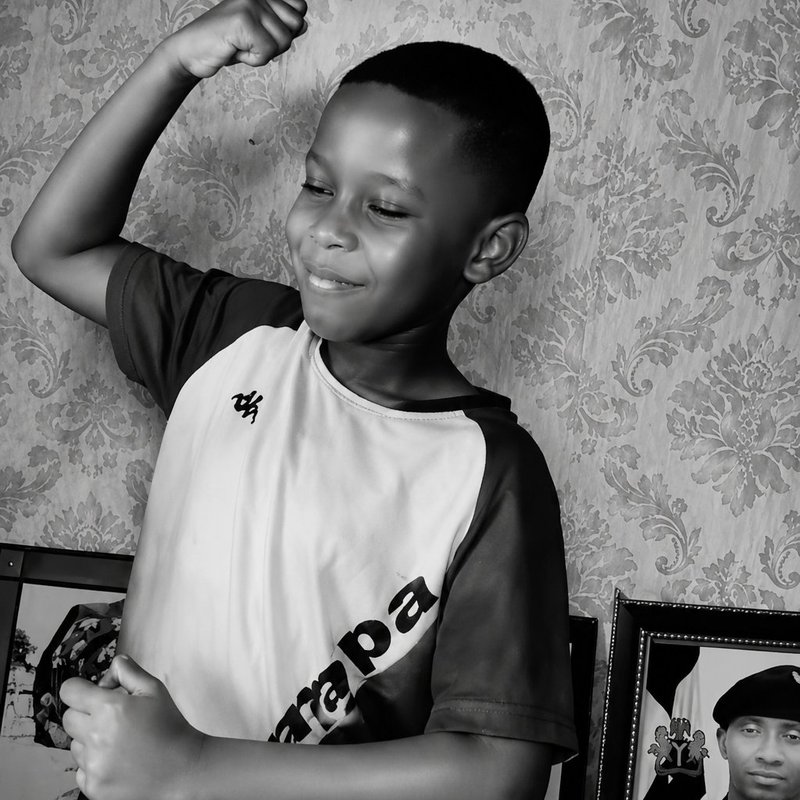
Daniel Agbo, dancing in Enugu, described his entry as an expression of freedom and wholesomeness, the energy of life and happiness. His dance, like the others, was both a personal performance and a public statement about visibility for autistic young people in Nigeria.
Honouring everyone who came forward
Seven additional dancers submitted videos that may not have placed in the top three, but who absolutely came forward and deserve recognition. They danced in Adamawa, in Abia, in Bauchi, in Enugu, and in Kogi. Some submitted solo performances. Some came as groups. Each one chose to be seen, and that choice matters. Standing in front of a camera as a young autistic person, in a community that does not always know how to receive autism, is itself a contribution to visibility.
Certificates of Participation
Every dancer who submitted a performance to the Spark a Spectrum 2026 competition will receive a Certificate of Participation along with ₦5,000. The certificates honour the courage of stepping forward, the work of preparing a performance, and the contribution each dancer made to making autism visible across Nigeria and beyond.
Every dancer who showed up
Ten young performers. Five Nigerian states. One shared act of courage.
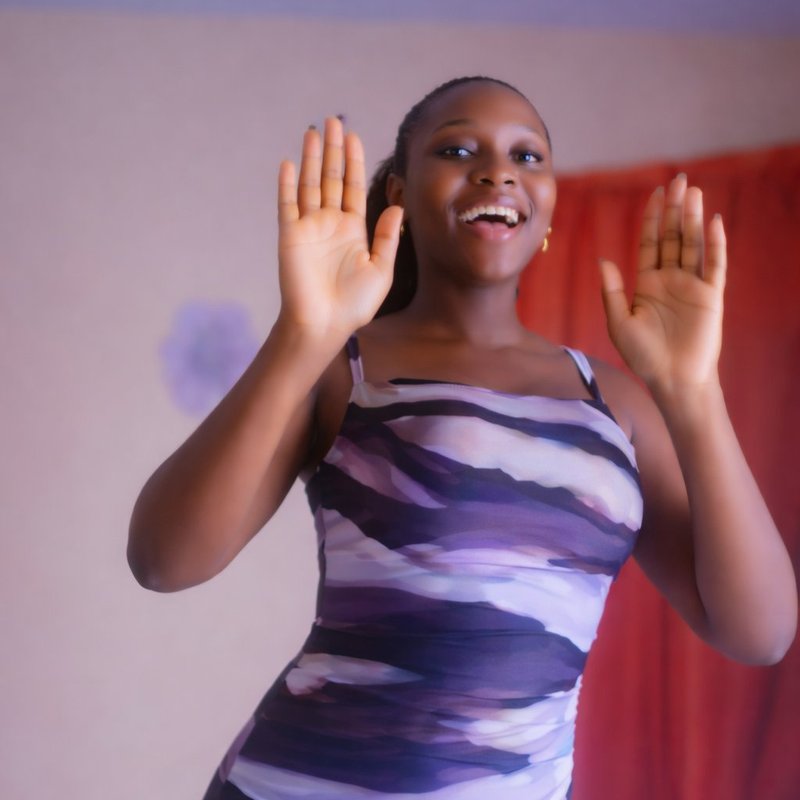
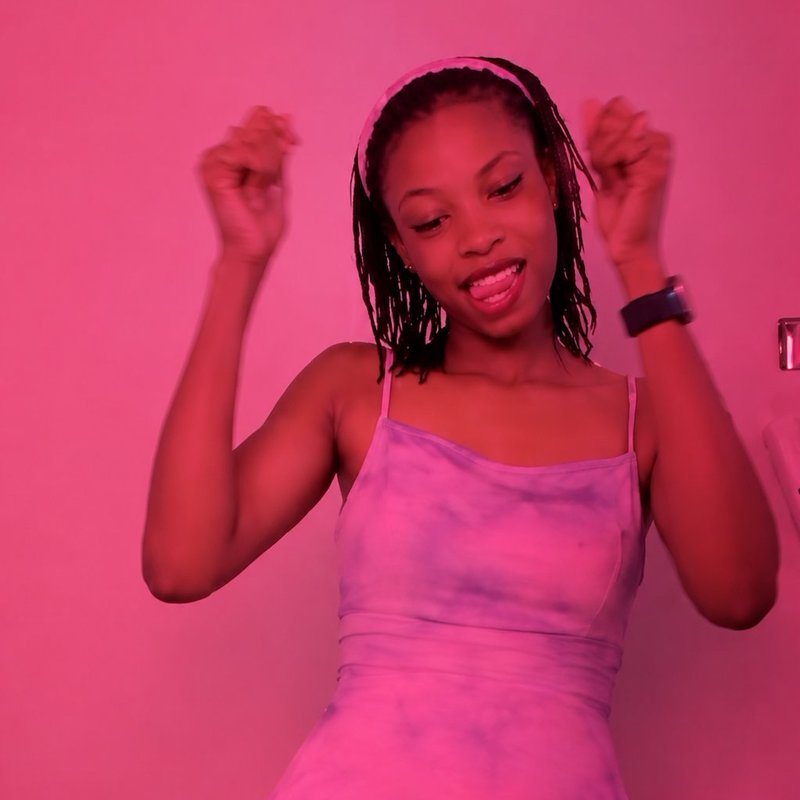
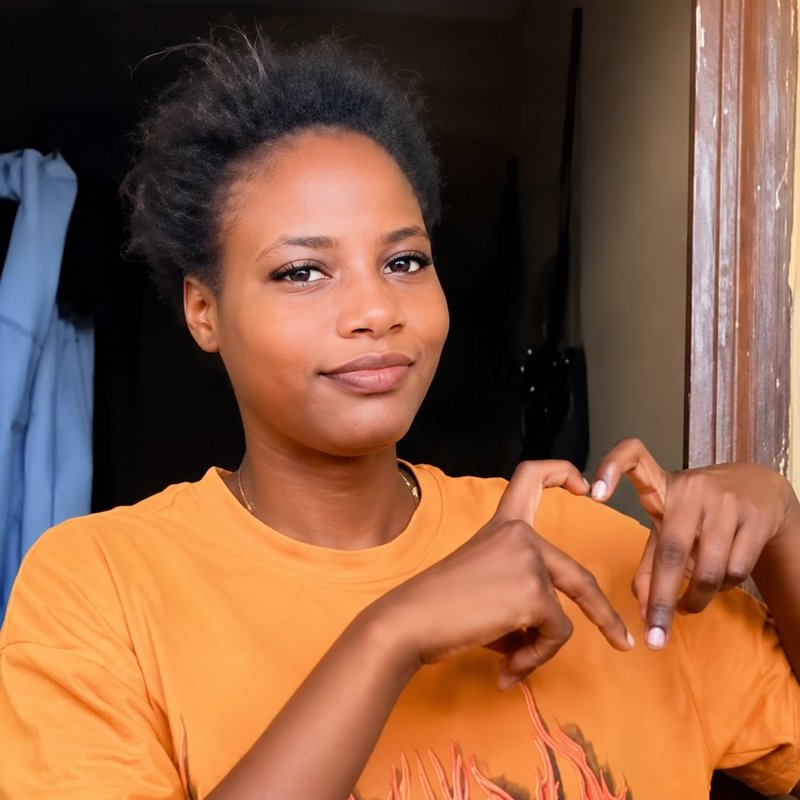
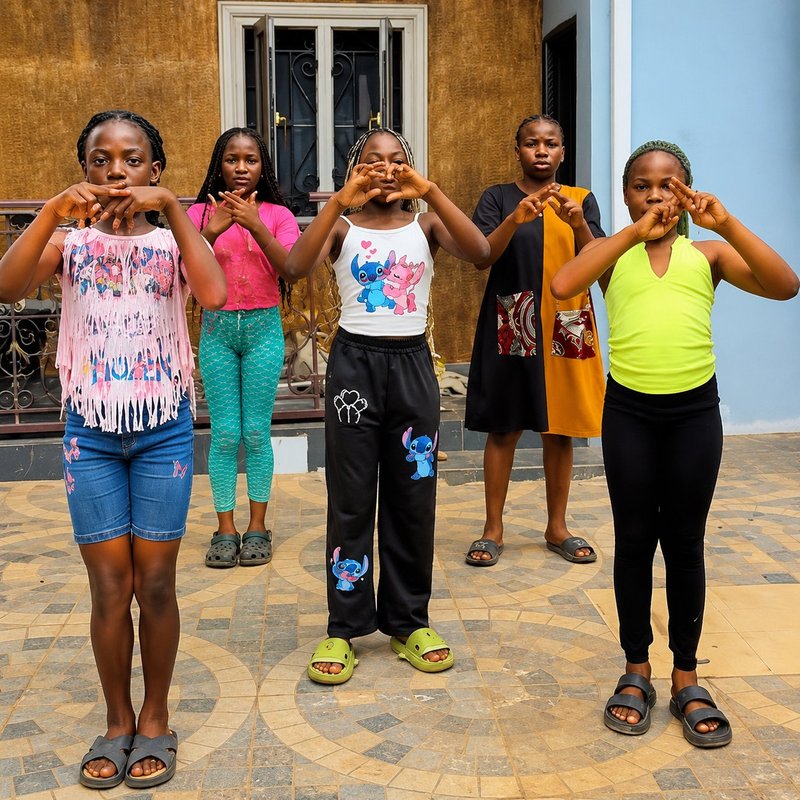
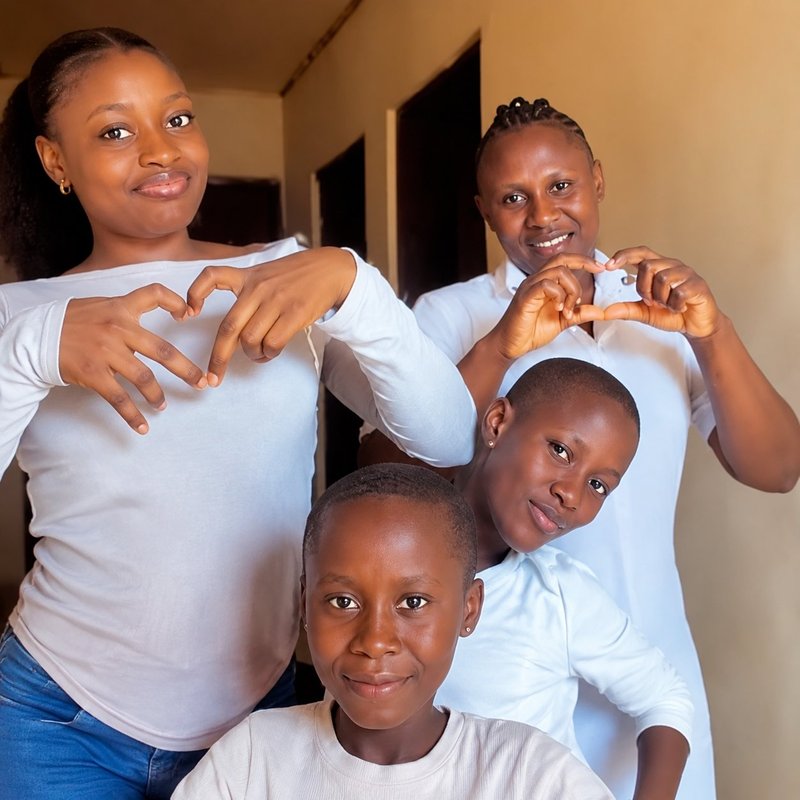
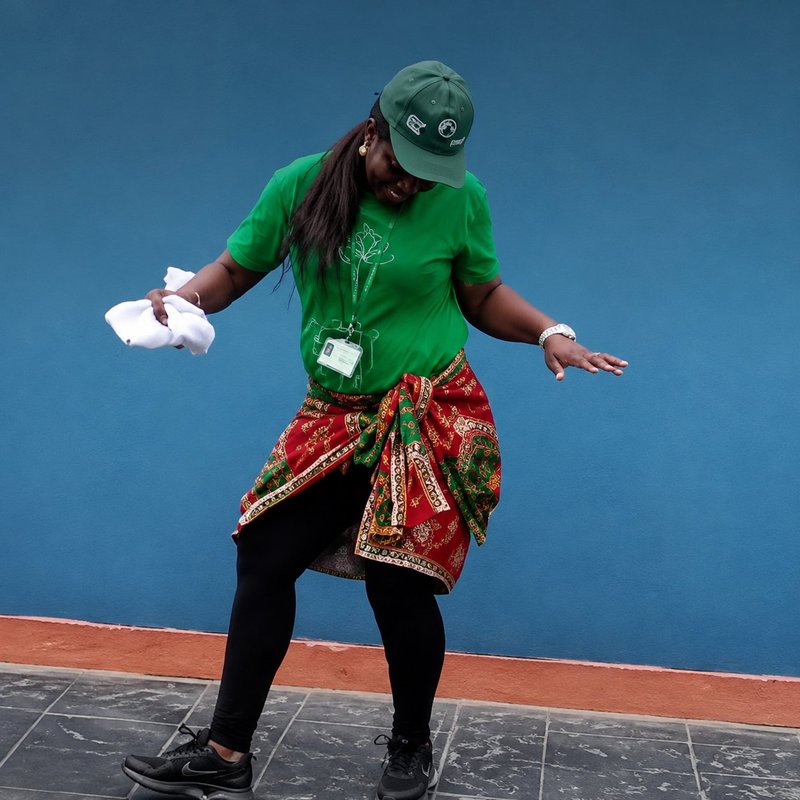
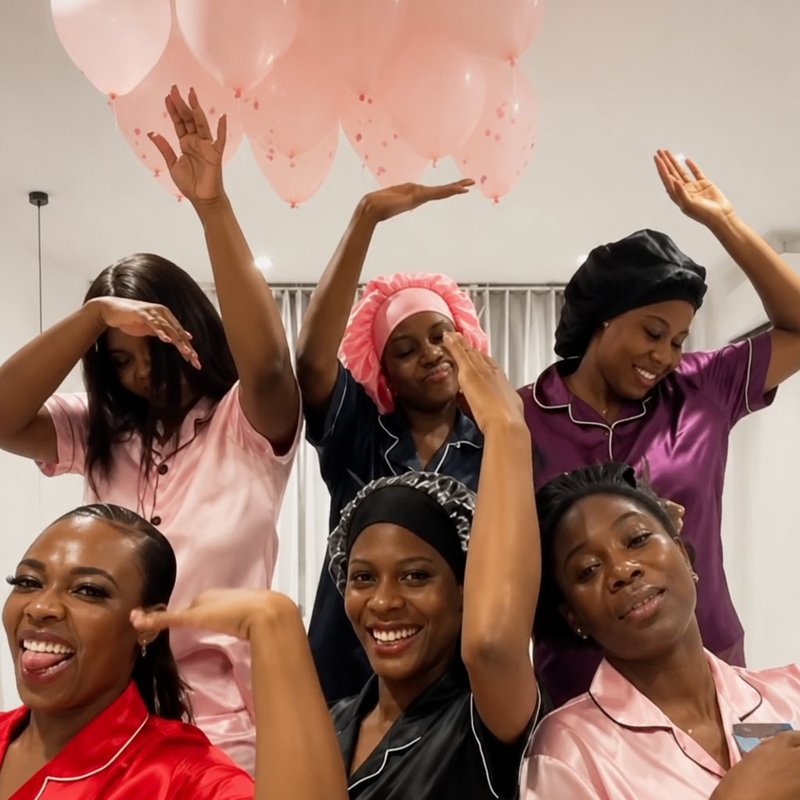
The community vote
This competition was decided entirely by community voting. There was no judging panel. The rule was clear from the start: one vote per Gmail account, voting open from April 26 through April 29. Voters were asked to choose their favourite performer and were invited to leave a short comment explaining their choice. Many did. Their comments described energy, courage, unique steps, family pride, cultural rhythm, and the simple fact of seeing autistic young people dance.
Community voting was the right shape for this competition. The Spark a Spectrum event was anchored in local communities, in over thirty countries, in dozens of states, in hundreds of host centers. It was right that the community itself should choose. The result reflects the people who showed up to vote, the networks that mobilised around their young dancers, and the broader audience watching from outside Nigeria who chose to participate in honouring autistic children they had never met.
To the four hundred and ninety-two voters who took the time to watch ten short performances and cast a vote, thank you. Your participation was an act of solidarity. The dancers will know they were seen, not only by their families and centers, but by people across continents who took five minutes to honour them.
What dance does
There is a long tradition, across many cultures, of using movement to say what words cannot. Autistic young people often inhabit that tradition naturally. Movement carries identity. Movement holds emotion. Movement makes space for joy without requiring the precise grammar of speech. The Spark a Spectrum dance competition was not designed as a celebration of any one form. It made room for solo Afrobeat performances, group choreography, traditional Igbo and Nigerian forms, and the personal styles each dancer chose to bring.
What we saw, watching ten short videos, was ten different answers to one question: who am I, and how do I want to be seen. Each answer was honoured. Each will be remembered.
Looking forward
The Spark a Spectrum 2026 dance competition is the first of many. Lessons learned this year will shape the structure of next year's event. Among them: clearer rules for organising-team submissions, broader coordinator briefings on what makes a strong entry, additional logistics support for centers with limited equipment, and translation of the voting form into more African languages to widen participation.
The art competition winners have already been announced. The Recognition Page for all coordinators, volunteers, and host centers is live at abaworld.org/recognition.html. The post-event report continues to grow as more centers submit data. Together these pieces tell the story of what happened on April 2, 2026 across thirty-two countries.
Thank you to the families who supported their dancers. Thank you to the coordinators who collected entries. Thank you to Faby Diallo and the Africa/Asia regional team for amplifying the voting call. Thank you to the voters. And thank you, above all, to the ten dancers who chose to be seen.
Spark a Spectrum 2026 was about visibility. When autistic children are seen, the world changes.