On April 2, 2026, communities in thirty-two countries came together for Spark a Spectrum, our global day of autism awareness, celebration, and inclusion. The day included a dance competition, an art competition honoring Kanyeyachukwu Tagbo-Okeke, and a celebrity photo competition, and young people and centers everywhere brought their talent, courage, and heart to it. In the celebrity photo competition, centers gathered photos of public figures sharing a heart sign in support of autism awareness, and the center in Bauchi State, coordinated by Happiness, gathered the most. Today, we celebrate them, and everyone who made the day possible.
Our champions
Joy's solo reflected what Spark a Spectrum is about: dance as a way to spread awareness and invite inclusion. Her performance drew the strongest support from voters across twelve countries.
The youngest entrant in the competition took the top spot in his category with Superhero Kanye, a rainbow-road ride cheered on by friends and a smiling sun. In his own words:
"Autism is Ability."
Judges were moved by how Karen's work honored Kanye's identity as a Black autistic athlete. She titled her piece with her own words:
"Different is not less."
Victory's entry received both the judges' panel vote and 40% of all community votes in his category, the highest share in that category. He described his work as built on:
"Intentionality, resilience, and determination to succeed."
And our second-place champions
Second place in each competition came with a cash prize, and these young people brought real joy and skill to the day: Chimchong Ambima (ATBU Teaching Hospital, Bauchi) took second in the dance competition; Samuel Agbo, age 8 (Enugu), second in Category A for his piece of a boy breaking boundaries; Habiba, second in Category B, recognized for strong emotional impact and confident technique; and Abdulsalam (Sokoto), second in Category C.
Congratulations, too, to our third-place winners, our Special Recognition honorees chosen by community vote, and every one of the 10 dancers and 57 artists who took part. You made April 2nd what it was. A full recap of all winners across both competitions is available in our earlier announcements on the blog.
Ten laptops, across our whole community
This year, generous donations allowed us to provide ten laptops to people who move our mission forward: competition winners, program administrators, and students who could use the tools to keep learning, creating, and connecting. The laptops supported them in the work and study they were already doing.
That support does not stop at laptops. We continue to stand behind our program's volunteers in many ways, and the more we receive, the more we can give.
None of it would have happened without the people who believed in us. Our heartfelt thanks to Dr. Pauline Filipek, Dr. David Fray, Sam Oredoyin, Telvida, Godwin Omeiza, and Dele Charles Nku for their generous support.
Reaching the recipients
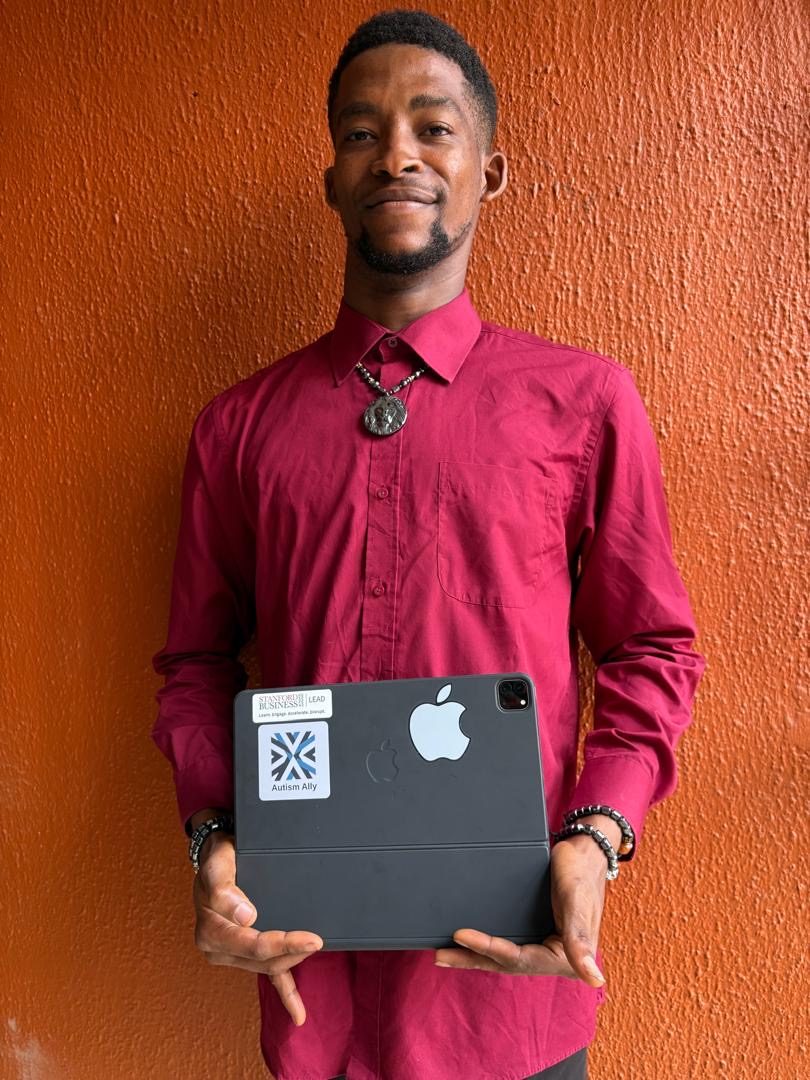
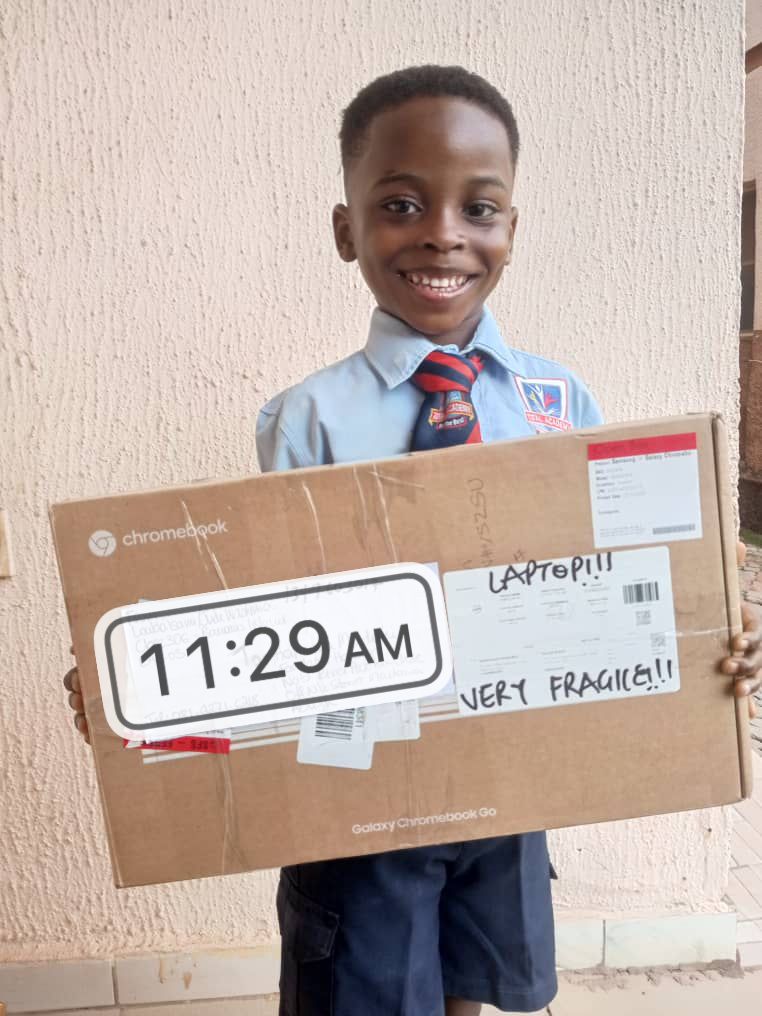
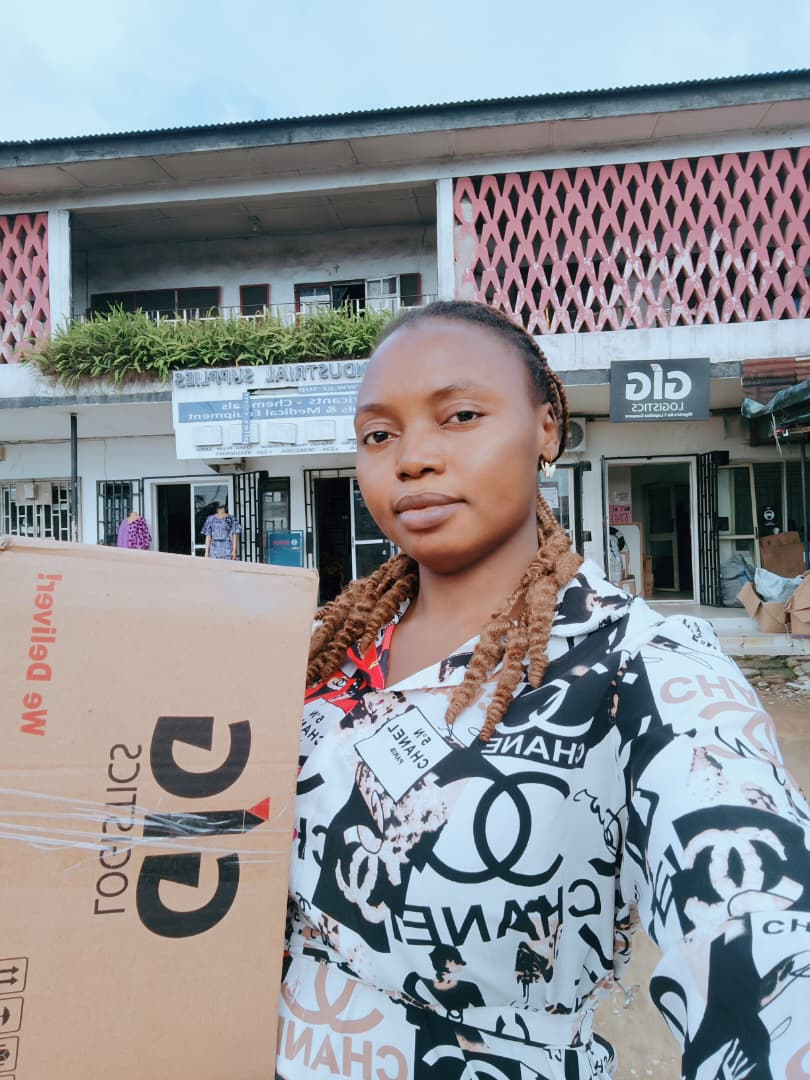
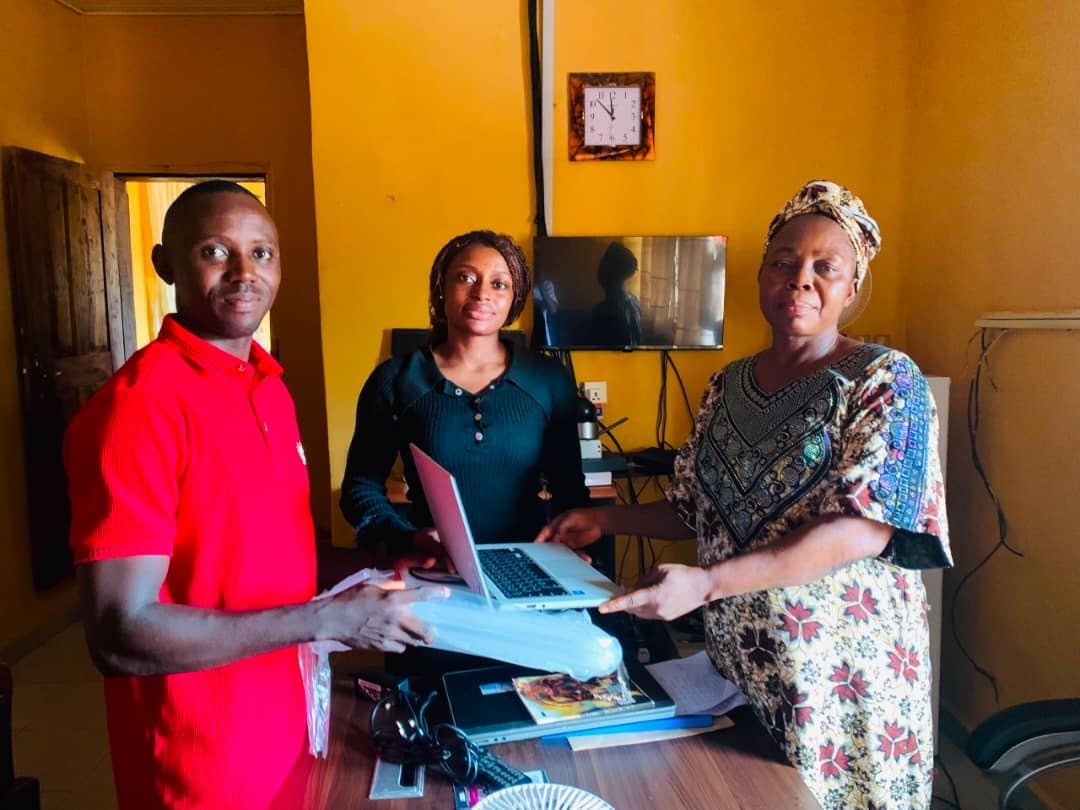
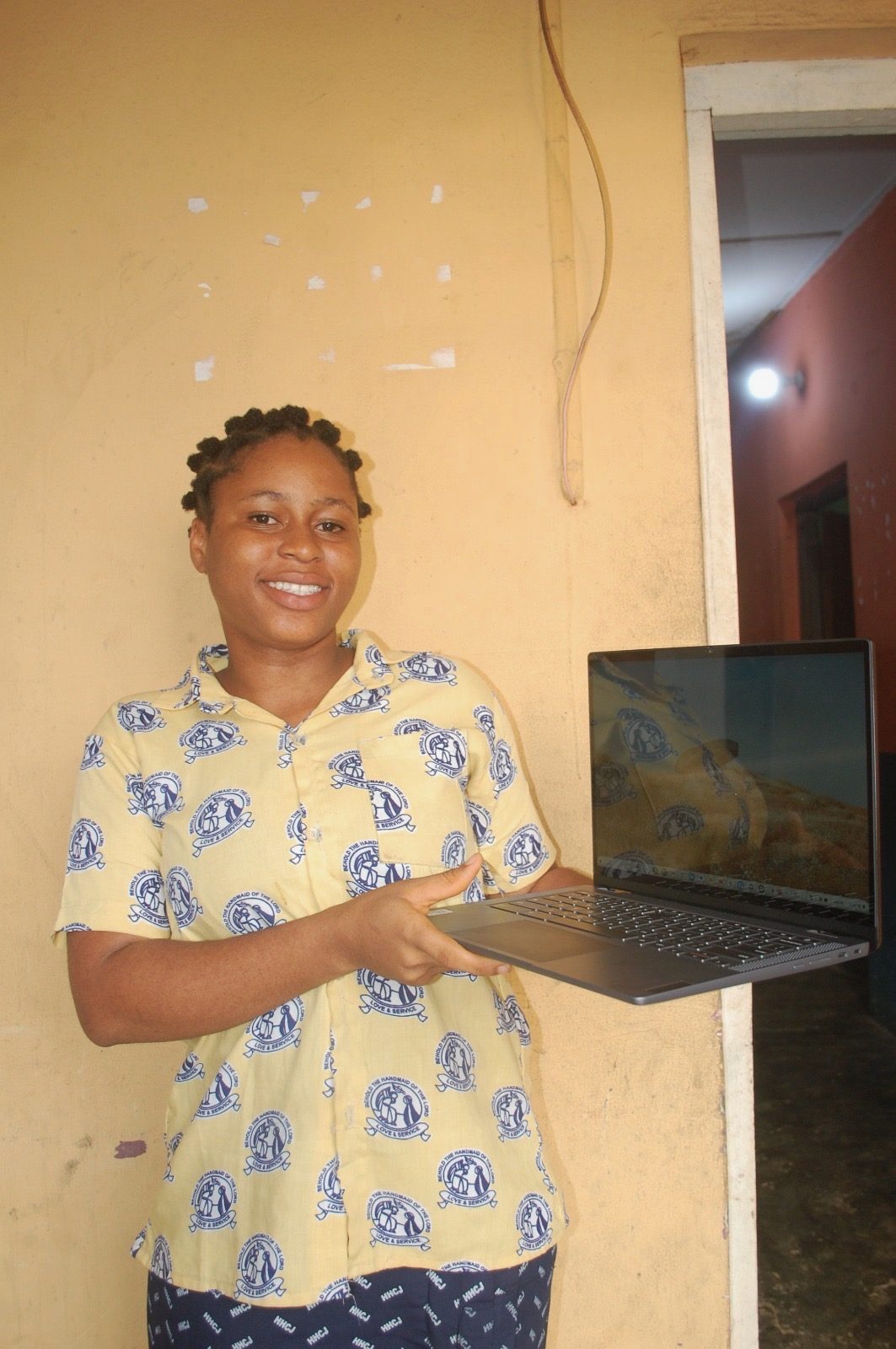
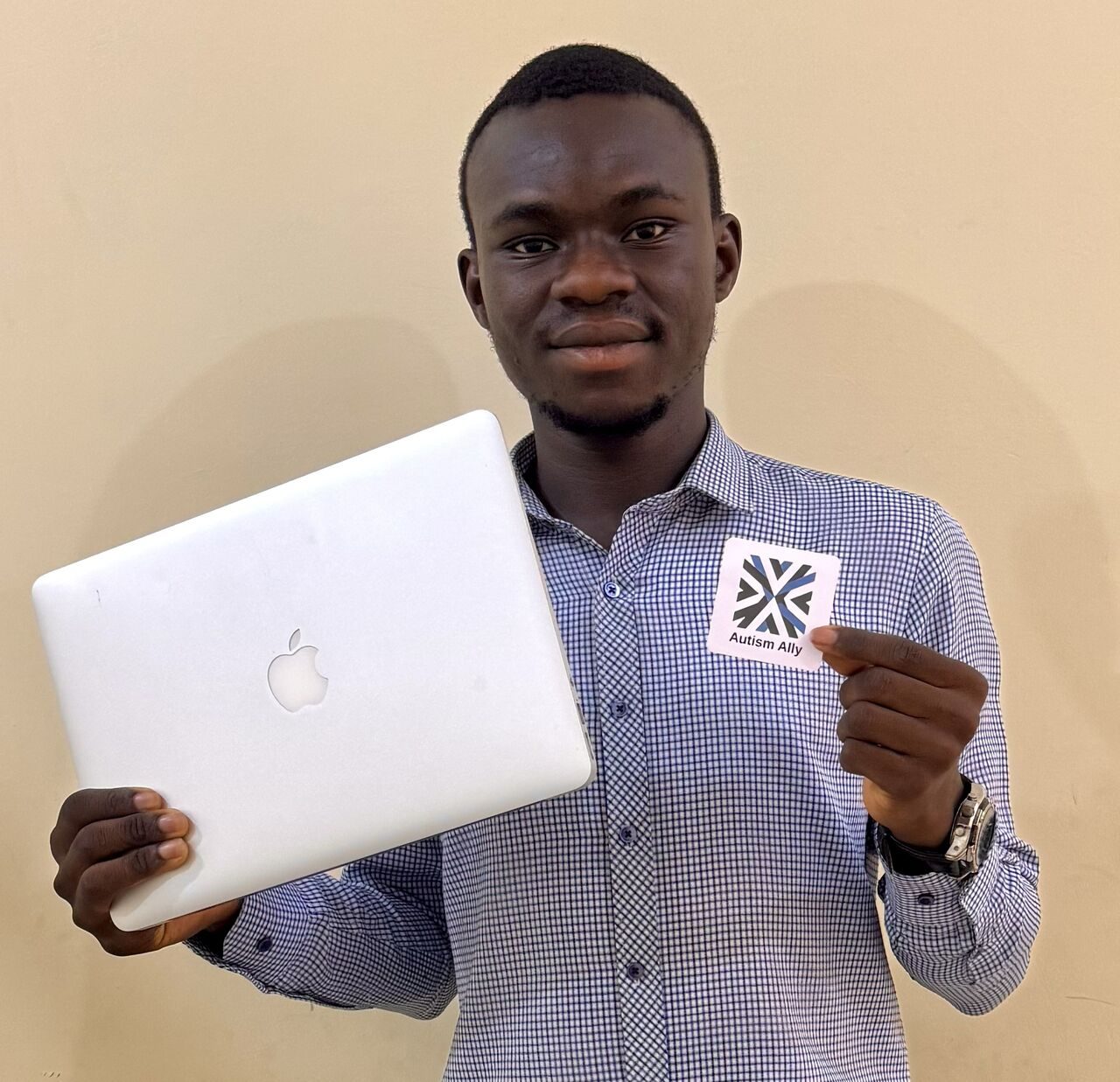
Most of the laptops were mailed to their recipients across Nigeria, and a few were handed over in person during our team's visit in June 2026. Here are a few moments from when they arrived.
A white paper, in progress
We are documenting what we learned from Spark a Spectrum 2026, what worked, what we will do differently, and the data and stories that emerged from thirty-two countries taking part in a single day. The white paper is being led by Dr. Chimaeze Torty of the University of Calabar. We will share it here as soon as it is ready.
Now, let's build Spark a Spectrum 2027
We would like April 2nd to become a tradition, a day the world sets aside each year to come together for autism awareness, support, and celebration.
Applications for Spark a Spectrum 2027 open in September 2026. If your organization, school, therapy center, or community group would like to host a center, or if you would like to take part as an individual, now is a good time to start thinking about it. Learn more and stay ready to apply at abaworld.org.
Our next goal: reaching four times further
In 2026, ten laptops supported winners, students, and the people who keep our programs running. In 2027, we would like to reach four times as far, supporting more students with the tools they need, and equipping autism centers with laptops and educational materials so they can serve more children and families.
To get there, we need funding to screen more children, train more volunteers, and reach more families. We need schools, universities, therapy centers, NGOs, and community organizations to host centers alongside us. We need specialists willing to share their time, and community members willing to spread the word. If you know a funder, a foundation, or a company that shares this vision, we would welcome an introduction.
Together, we do more.